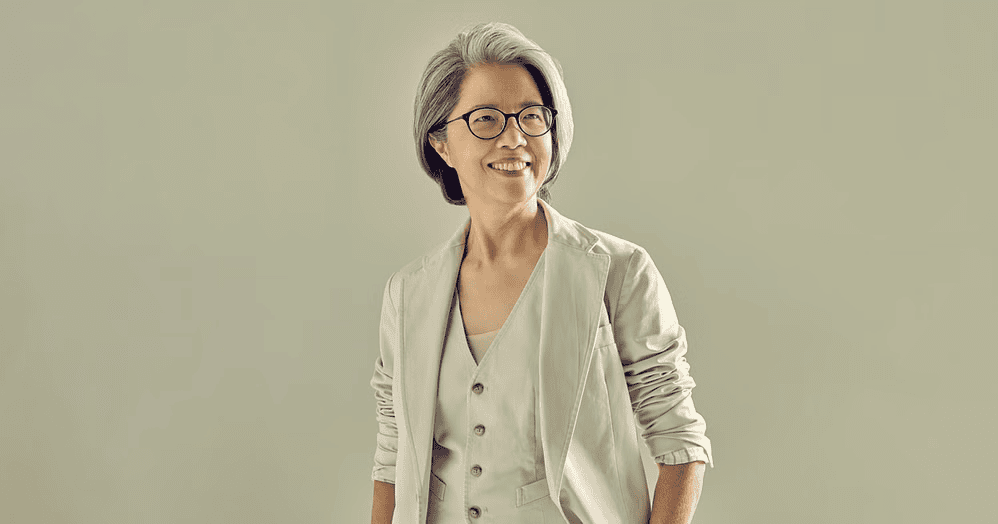
Corinna Lim, Executive Director of AWARE, shares insights on gender equality, women’s leadership, and advocacy efforts in Singapore.
SINGAPORE, 18 March 2025 – AWARE has played a key role in advocating for women’s rights and was a supporting partner of Sun Media’s Women ºÚÁÏÉç Global Perspectives in 2021. Through research, policy recommendations, and public education, the organisation has worked towards dismantling systemic barriers to gender equality in Singapore.
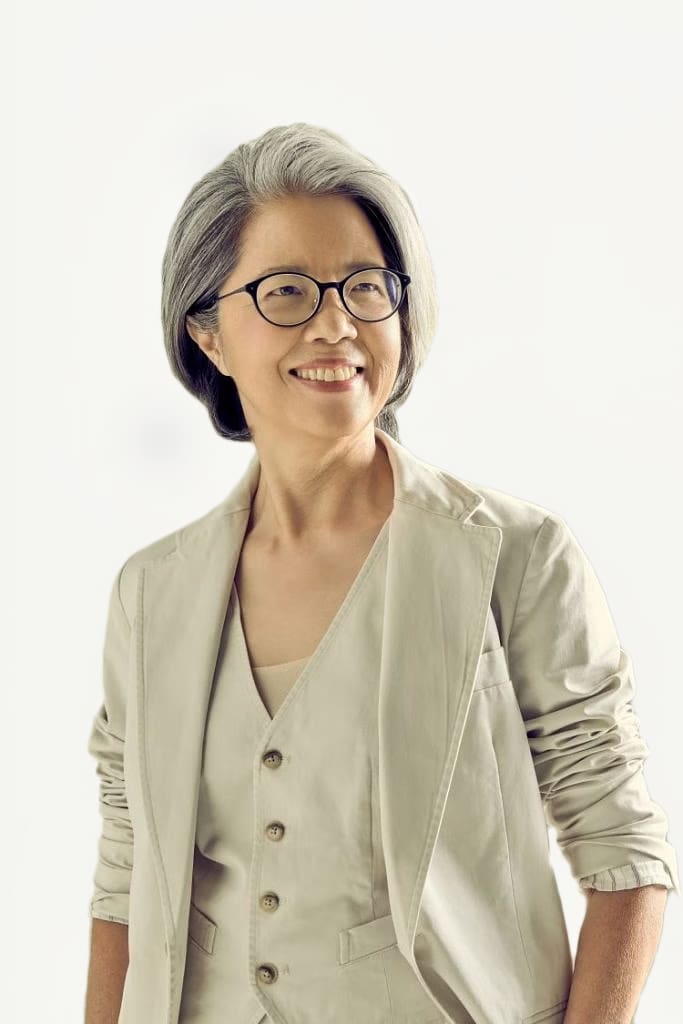
In an exclusive interview with IN Diplomacy for the Ambassadors of Change column, Corinna Lim, the first Executive Director of AWARE (Association of Women for Action and Research), shared insights into her journey in gender advocacy. Before joining AWARE, she practised law for over a decade, co-founded a technology business, and earned a Master’s in Public Administration from Columbia University as a Fulbright Scholar. In recognition of her contributions, she was appointed the 8th SR Nathan Fellow by the Institute of Policy Studies in 2021.
Q: Do you believe every woman is an ambassador of change, and how can we empower them to become agents of positive transformation?
Absolutely. Change isn’t just about big moments—it’s in the everyday choices we make. Maybe you’ve seen it in a woman who speaks up about an unfair policy at work, who teaches her son to respect his girlfriends, or who refuses to stay silent about harassment. That’s what being an ambassador of change looks like.
But real empowerment goes beyond individual actions. It’s about breaking down the barriers that still hold women back—like unfair caregiving expectations, workplace biases, and outdated ideas about leadership. If we want true equality, we need policies and cultures that support it.
Q: What are the most significant challenges faced by women in Singapore today, and how can women’s advocacy organisations address them?
While Singapore has made progress, gender norms still limit women in leadership, the workplace, and at home. Women remain under-represented in decision-making, bear a heavier caregiving load, and face workplace biases that slow their advancement.
The motherhood penalty, pay gaps, and workplace harassment persist, while survivors of violence still struggle with stigma and systemic hurdles. Advocacy organisations like ours address these through research, policy recommendations, support services, and public education to shift societal norms.
Q: How can Singapore progress further in promoting gender equality, and what role can global collaborations play in achieving this goal?
Singapore has made significant strides in gender equality, but there is still work to be done, particularly in strengthening legal protections against workplace discrimination, improving caregiving policies, and addressing biases that limit leadership opportunities. Global collaborations, especially Singapore’s engagement with CEDAW (the Convention on the Elimination of All Forms of Discrimination Against Women), play an important role in this progress. As a signatory, Singapore reports regularly on its advancements and receives recommendations for improvement, with groups like AWARE highlighting gaps and advocating for stronger policies. Past CEDAW recommendations have contributed to better workplace protections, improved paternity leave, and enhanced support for survivors of gender-based violence. By aligning local policies with international best practices, Singapore can continue to drive meaningful progress toward gender equality.
Q: What initiatives can be implemented to support women’s economic empowerment, leadership development, and education in Singapore?
Singapore can strengthen women’s economic empowerment by ensuring robust enforcement of anti-discrimination protections, expanding workplace harassment safeguards, and improving elder caregiving support. Moving towards equal parental leave and running campaigns to promote shared caregiving at home will help shift entrenched gender norms. Leadership development can be enhanced through companies reviewing their female leadership pipelines, designing recruitment and promotion processes to reduce unconscious bias, and training managers to be supportive of their staff’s caregiving needs.
Q: Can you share a story of how your organisation has made a positive impact on a woman’s life or turned around a challenging situation?
Every year, AWARE supports over 5,000 women through some of the most distressing periods of their lives, handling cases ranging from difficult marital situations to workplace harassment, domestic violence, and caregiving challenges. I remember a young woman in her first job, dealing with unwanted advances from a senior boss. She felt trapped—desperate for it to stop but afraid of losing her job if she spoke up. With AWARE’s support, she raised the issue with her company and went through the investigation process. While she eventually chose to leave the country for a while, she told us that just being heard—knowing someone believed her—helped her reclaim her dignity. Nearly a decade later, she reached out to say thank you. She had rebuilt her career and was thriving, something she wasn’t sure would have been possible without that moment of support.
Q: How can we engage men in conversations about gender equality and encourage them to become allies and advocates for women’s empowerment?
Gender equality starts at home. When men take on caregiving and household responsibilities as equal partners, they strengthen their families and set powerful examples for the next generation. Boys who see their fathers sharing the load and treating their wives with respect learn that caregiving isn’t just women’s work and that equality should be the norm in relationships. Public campaigns and community discussions can encourage men to reflect on gender norms and embrace more equitable roles as partners and parents. And just as women benefit from more opportunities at work, men also gain when they are empowered to be present and engaged fathers and partners, free from the outdated pressures of being the sole provider.
In the workplace, men in leadership positions have a key role to play in breaking down barriers. Some companies have partnered with Catalyse Consulting, AWARE’s corporate training arm, to engage men through its male allyship programme, which helps men recognise unconscious bias, foster inclusive leadership, and support women’s advancement. Research has shown that gender-equal workplaces benefit everyone, leading to stronger employee engagement, better decision-making, and improved outcomes.
Q: What strategies have been successful in promoting gender parity and equality in other countries or regions, and how can we learn from them?
The Nordic model (Sweden, Norway, and Iceland) has shown that equal parental leave policies not only improve women’s workforce participation but also shift caregiving norms. Singapore can expand on these initiatives by moving towards equalising parental leave and strengthening eldercare support to help women stay in the workforce. Countries with robust anti-harassment policies, like Canada and the UK, have clear reporting frameworks and legal protections to ensure workplaces are safe and equitable. These are all models that are worth studying.
Q: Do you think celebrating International Women’s Day is enough, or should we do more to recognise women’s contributions throughout the year?
No, of course, it’s not enough. AWARE has spent 40 years pushing for gender equality in Singapore, and there’s still more to do. One day of celebration doesn’t erase the barriers women face year-round.
Q: How can we work together to create a culture that values and celebrates women’s achievements every day, and promotes a more inclusive and equitable society?
Champion fairness at work, share care at home and call out gender bias everywhere you see it.
Q: What message would you like to convey to women and girls in Singapore and around the world, and what is your vision for a future where gender equality is a reality?
Your voice and choices matter. A future of gender equality isn’t about women “doing it all�—it’s about ensuring they don’t have to. Imagine a society where no one assumes a woman will sacrifice her career for her family, where men share caregiving without question, and where survivors of violence are heard and supported, not doubted. Every time you ask a question, challenge unfairness, or demand better, you’re shaping that future. Keep going—we’re building it together.