Marking six decades of ties, Malaysia’s High Commissioner to Singapore reflects on shared history, regional cooperation, and a future of deeper integration.
Singapore, September 2025 – Malaysia and Singapore are commemorating 60 years of diplomatic relations this year, underscoring a relationship built on shared history, daily connectivity, and strong people-to-people bonds. In a wide-ranging conversation with IN Diplomacy’s Editor-in-Chief, Ms Nomita Dhar, Malaysia’s High Commissioner to Singapore, Dato’ Indera Dr Azfar Mohamad Mustafar, reflected on the milestones and spirit that define this enduring partnership.
At 60 years of diplomatic ties, how would you describe the Malaysia–Singapore relationship today, and how do regular leaders’ meetings help sustain it?
The relationship is strong, multifaceted, and constantly evolving. We’ve built a foundation of trust over decades, and today it’s anchored not just in policy but in people-to-people ties. The annual Malaysia–Singapore Leaders’ Retreat is a key mechanism that keeps our cooperation on track. It allows both Prime Ministers to review progress, resolve issues, and set new directions. The 11th Retreat in Putrajaya was especially meaningful—it marked the first meeting between Prime Minister Anwar Ibrahim and Prime Minister Lawrence Wong in this format, and the tone was one of deep mutual respect. We signed major agreements—including the Johor–Singapore Special Economic Zone and MOUs on carbon credits and renewable energy cooperation. Singapore also announced plans to open consulates in Sabah and Sarawak, further deepening our people-to-people ties. The retreat reaffirmed our shared commitment to resolving outstanding issues constructively and expanding collaboration across trade, infrastructure, and sustainability.
How do Malaysia and Singapore maintain strong bilateral ties through infrastructure, investment, trade, and tourism, and what is the status of the High-Speed Rail project?
Malaysia and Singapore share a dynamic relationship anchored in daily connectivity, economic cooperation, and institutional presence. Over 300,000 people cross the Causeway each day, reflecting deep social and economic ties. To ease congestion, both governments are upgrading checkpoints and coordinating infrastructure plans, including the Rapid Transit System (RTS) Link and the proposed Kuala Lumpur–Singapore High-Speed Rail (HSR). Prime Minister Anwar Ibrahim has stated that Malaysia is open to reviving the HSR through full private sector participation, with seven concept proposals already reviewed and a formal Request for Proposal (RFP) expected soon. Singapore remains open to new proposals.
Beyond infrastructure, bilateral trade reached S$123.6 billion in 2023, with Singapore as Malaysia’s largest source of foreign direct investment. Tourism is also vital, supported by Malaysia’s institutional offices in Singapore: MITI (Trade Commission), MIDA (Investment Development Authority), and the Malaysia Tourism Promotion Board, all of which actively promote business, investment, and cultural exchange. These agencies help keep the relationship well-oiled, fostering long-term cooperation in areas like digital economy, sustainability, and talent mobility.

How is the Johor–Singapore Special Economic Zone (JS-SEZ) shaping bilateral cooperation, and what kind of interest has it received so far?
We have seen great interest from both sides of the border—investors, businesses, and institutions alike. The Johor–Singapore Special Economic Zone, launched during the Leaders’ Retreat in January 2025, is a transformative initiative. It’s designed to attract high-value investment, create 20,000 skilled jobs, and foster collaboration across sectors like manufacturing, logistics, digital economy, and green energy. What’s exciting is the momentum: we’ve already set up a one-stop Invest Malaysia Facilitation Centre in Johor, introduced QR code clearance at land checkpoints, and initiated TVET partnerships to align talent development. Singapore-based companies are exploring twinned operations, and with incentives like 5% tax rates for strategic industries, the JS-SEZ is poised to contribute USD 28 billion to Johor’s GDP by 2030. It’s not just about economics—it’s about building a shared future.
How has Malaysia shown leadership as ASEAN Chair in 2025, especially in managing regional tensions?
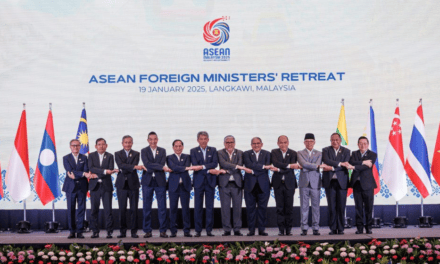
Malaysia has taken a proactive role as ASEAN Chair, especially during recent border tensions between Cambodia and ºÚÁÏÉç. Prime Minister Anwar Ibrahim quickly reached out to both sides, inviting their leaders to dialogue and helping prevent escalation. Malaysia hosted a special ASEAN meeting that led to a ceasefire and reaffirmed regional cooperation. It reflects our commitment to ASEAN’s core goals—peace, prosperity, and stability—and shows that timely diplomacy can deliver real results.
What makes the social fabric of Malaysia and Singapore feel so closely connected?
Malaysia and Singapore share deep-rooted ties—geography, history, and most importantly, people. Many families span both sides of the border, creating a sense of “nation within a nation.� We share food, culture, and common aspirations: to be developed, peaceful, and prosperous nations that provide a good life for our citizens. These connections go beyond policy—they’re lived every day, and they will continue for generations.
What is your message to Singaporeans ahead of Visit Malaysia 2026?
We warmly invite our Singaporean neighbours to experience the best of Malaysia during Visit Malaysia 2026. Whether you love beaches, mountains like Mount Kinabalu, lush rainforests, or vibrant cities, Malaysia offers something for every kind of traveller. From quick weekend getaways to longer cultural immersions, the proximity makes it easy and convenient. So come explore, relax, and reconnect—Malaysia is ready to welcome you with open arms.
How have you used Rumah Malaysia during your time in Singapore, and what does it represent in your diplomatic work?
Rumah Malaysia has always been more than a residence—it’s a space for connection. During my tenure, I’ve opened it for festive occasions like Chinese New Year, welcoming guests to enjoy Malaysian food, culture, and hospitality. Its serene location near the Botanic Gardens adds to the warmth and charm. It’s where diplomacy meets community, and I believe future High Commissioners will continue using it to build lasting ties with Singaporeans and the wider diplomatic circle.
What message does Malaysia’s orchid diplomacy at Gardens by the Bay send to Singapore?
It’s a gesture of friendship, beauty, and shared heritage. Through Pesona Anggerik: Truly Asia Orchids, we’re celebrating 60 years of Malaysia–Singapore ties with over 600 native and hybrid orchids showcased in a traditional Malay setting. It’s not just a floral exhibition—it’s a living symbol of how our relationship continues to bloom. As neighbours, we’ve built strong cooperation across trade, tourism, education, and sustainability. This display is our way of saying: Malaysia and Singapore are rooted together, and we look forward to growing even closer.
What is your message to Malaysians living in Singapore, and what do you personally enjoy most here?
My message is simple: respect the laws of Singapore, uphold good conduct, and always carry yourself in a way that makes Malaysia proud. You are ambassadors of our country, and your actions reflect our values. As for me, I truly enjoy the hawker centres here—there’s something special about the variety, the flavours, and the shared culture around food. It reminds me how close our two nations are, not just geographically, but in spirit.