ADVANCING GENDER EQUALITY THROUGH LEADERSHIP, INVESTMENT, AND INTERNATIONAL PARTNERSHIP
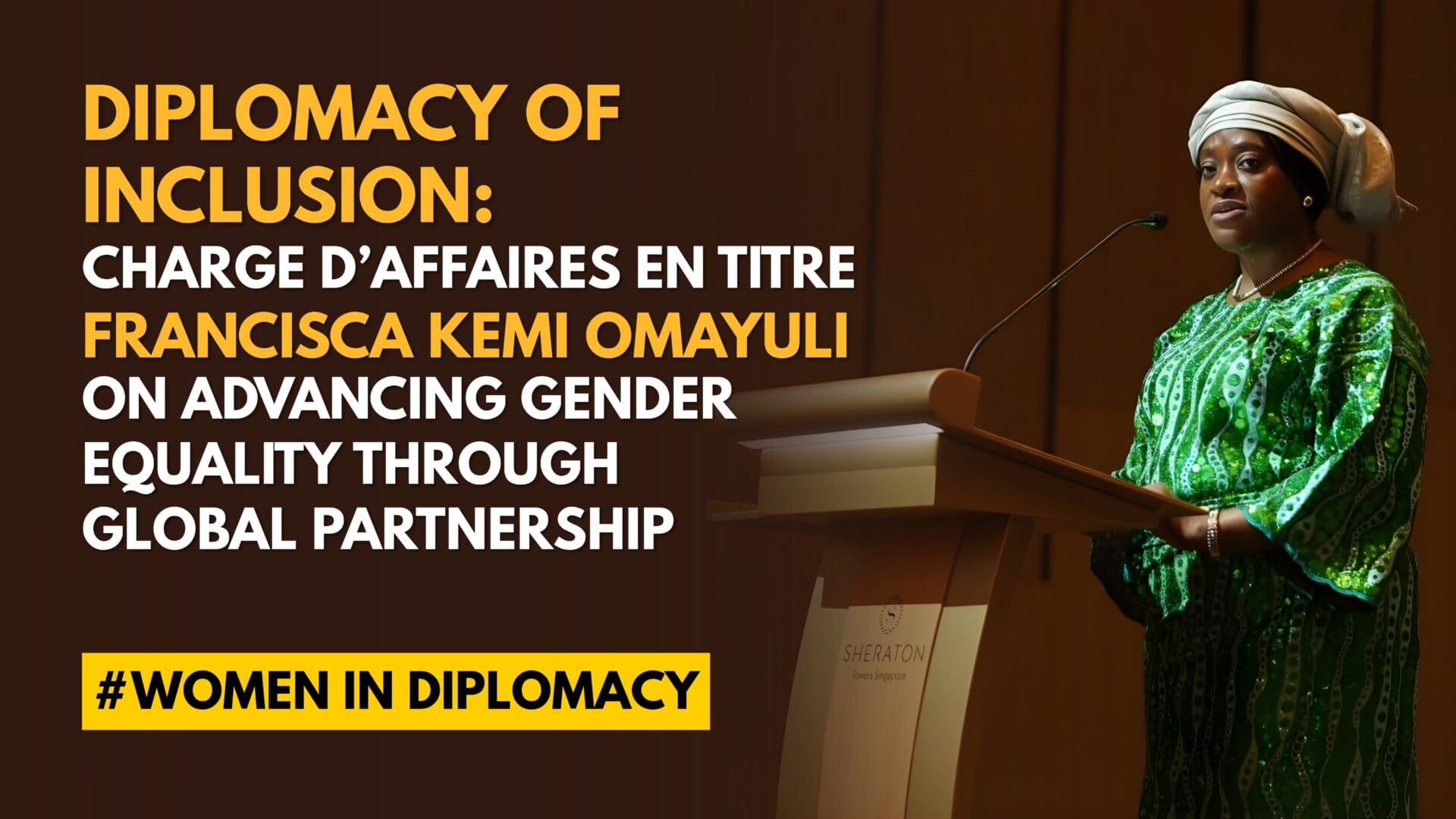
In a reflective and forward-looking substantive conversation with IN Diplomacy, a distinguished Nigerian diplomat currently serving as the Head of Mission in Singapore offers a compelling perspective on the 2026 International Women’s Day theme, “Give to Gain.” Speaking with measured authority and clarity, she situates gender equality not only as a moral imperative but as a strategic necessity for sustainable development, both within Nigeria and across the African continent. Her insights weave together policy, personal conviction, and diplomatic achievement into a narrative of purposeful leadership.
Q: The IWD 2026 theme is “Give to Gain.� As a woman representing Nigeria on the international stage, what does this theme mean to you personally?
The commemoration of International Women’s Day each year is fundamentally a call to action—one that underscores the importance of promoting gender equality by safeguarding the fundamental human rights of women and harnessing their immense potential for societal progress. Women constitute half of the global population, and as clearly articulated in the United Nations Sustainable Development Goal 5, gender equality is indispensable to sustainable development. The theme “Give to Gain� is particularly apt this year. It reminds us that achieving meaningful gender equality requires deliberate investment—whether in amplifying women’s voices, educating the girl child, or ensuring equitable access to opportunities. It is a shared responsibility to recognise and celebrate the contributions of women while actively addressing the barriers they face.
Q: Nigeria is home to incredibly dynamic and resilient women across business, culture, and public life. How do you see the “Give to Gain” spirit reflected in Nigerian women?
Nigeria indeed boasts a remarkable array of women who have made significant contributions across business, culture, and public life. At the governmental level, successive First Ladies have institutionalised initiatives aimed at empowering women. Under the Renewed Hope Initiative, led by Oluremi Tinubu, there has been a strong emphasis on economic empowerment, girl-child education, health, and advocacy for women’s inclusion in leadership.
Beyond government, individual trailblazers such as Folorunsho Alakija and Ibukun Awosika in business, Nike Davies-Okundaye in the arts, Chimamanda Ngozi Adichie in literature, and Omotola Jalade Ekeinde in film exemplify this ethos. On the global stage, figures like Ngozi Okonjo-Iweala and Amina Mohammed have not only broken barriers but continue to give back through mentorship and advocacy. These women embody the principle that empowerment is most impactful when it is shared.
Q: Africa is a continent of immense growth and potential. How do you think investing in and empowering women can accelerate Nigeria’s and Africa’s development?
Africa’s potential is undeniable, supported by both its natural resources and human capital. Women account for approximately half of the population and form a significant portion of the informal workforce. Unlocking this potential requires intentional strategies. Nigeria’s National Gender Policy (2021–2026) and the broader Renewed Hope Agenda focus on economic empowerment, financial inclusion, and political participation for women.
At the continental level, the African Union’s Gender Equality and Women’s Empowerment Strategy addresses systemic barriers such as unequal access to education, limited legal protection, and harmful cultural practices. Similarly, the African Continental Free Trade Area places emphasis on strengthening micro and small enterprises—many of which are led by women. Investing in women is not merely a social goal; it is an economic imperative that directly accelerates national and regional development.
Q: As a diplomat based in Singapore, what have you given through your work here, and what has Nigeria gained from this diplomatic relationship?
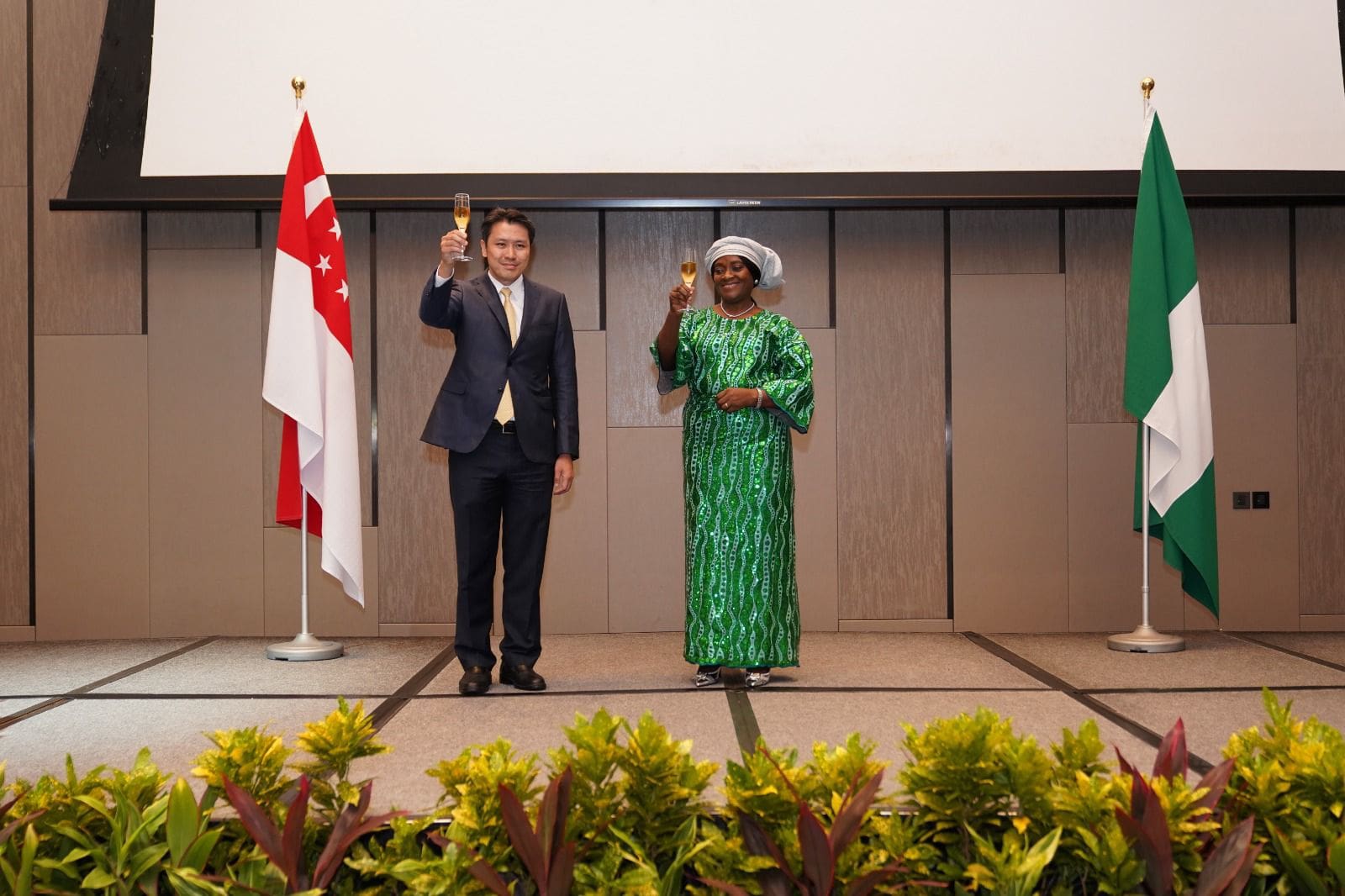
Since assuming duty in June 2024, my mandate has centred on strengthening bilateral relations between Nigeria and Singapore. This has been achieved through high-level official engagements, including visits by key ministers such as Hon. Minister of Foreign Affairs of Nigeria, Amb. Yusuf Maitama Tuggar and Hon. Minister of Education of Nigeria, Dr Tunji Alausa. These engagements have yielded tangible outcomes.
A notable milestone is the entry into force of the Investment Promotion and Protection Agreement in August 2025, which enhances investor confidence and economic cooperation. In education, collaboration between Nigeria’s National Board for Technical Education and Singapore’s ITE Education Services has formalised knowledge exchange in technical and vocational training. These efforts reflect a reciprocal relationship—what we give in diplomatic engagement translates into measurable national gains.
Q: What is the most important lesson you have learned about women’s leadership throughout your career in diplomacy?
Leadership, particularly for women, demands intentionality. It is essential to lead by example, demonstrating integrity, resilience, empathy, and professionalism. These qualities not only help achieve institutional objectives but also challenge persistent stereotypes about women’s capabilities. Equally important is leveraging one’s position to influence policies that advance gender equality.
Q: What is your message for women this International Women’s Day?
My message is simple yet profound: be a shining example and invest in the education of the girl child. Education remains the most powerful tool for breaking cycles of poverty and empowering communities. When you educate a girl, you educate an entire society. This is the essence of “Give to Gain�—a principle that should guide our collective actions.