Journey into one of Southeast Asia鈥檚 most remarkable archaeological landscapes at Lenggong Valley, where ancient caves, prehistoric discoveries and breathtaking natural scenery reveal over 1.8 million years of human history.
Hidden within the state of Perak, Lenggong Valley is one of Malaysia’s most fascinating cultural and historical destinations. Recognised as a UNESCO World Heritage Site in 2012, the valley offers an extraordinary journey through prehistoric civilisation, where archaeological discoveries have reshaped our understanding of early human settlement in Southeast Asia.
Home to the famous Perak Man and a network of ancient caves that once sheltered prehistoric communities, Lenggong Valley combines history, archaeology and nature into an unforgettable travel experience.
Discover the Origins of Lenggong Valley
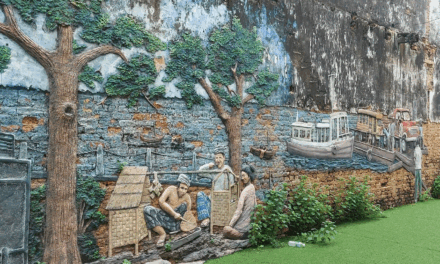
The name Lenggong is believed to originate from a local legend involving a member of the Semang tribe who felled a massive tree. When the tree landed at an angle, it was described as terlanggong, meaning slanted. Over time, the word evolved into Lenggong, giving the town its present-day name.
Today, the valley is celebrated as one of the most significant prehistoric sites in Asia. Archaeological excavations have uncovered evidence of continuous human occupation dating back hundreds of thousands of years, making the area an invaluable record of human evolution and early civilisation.
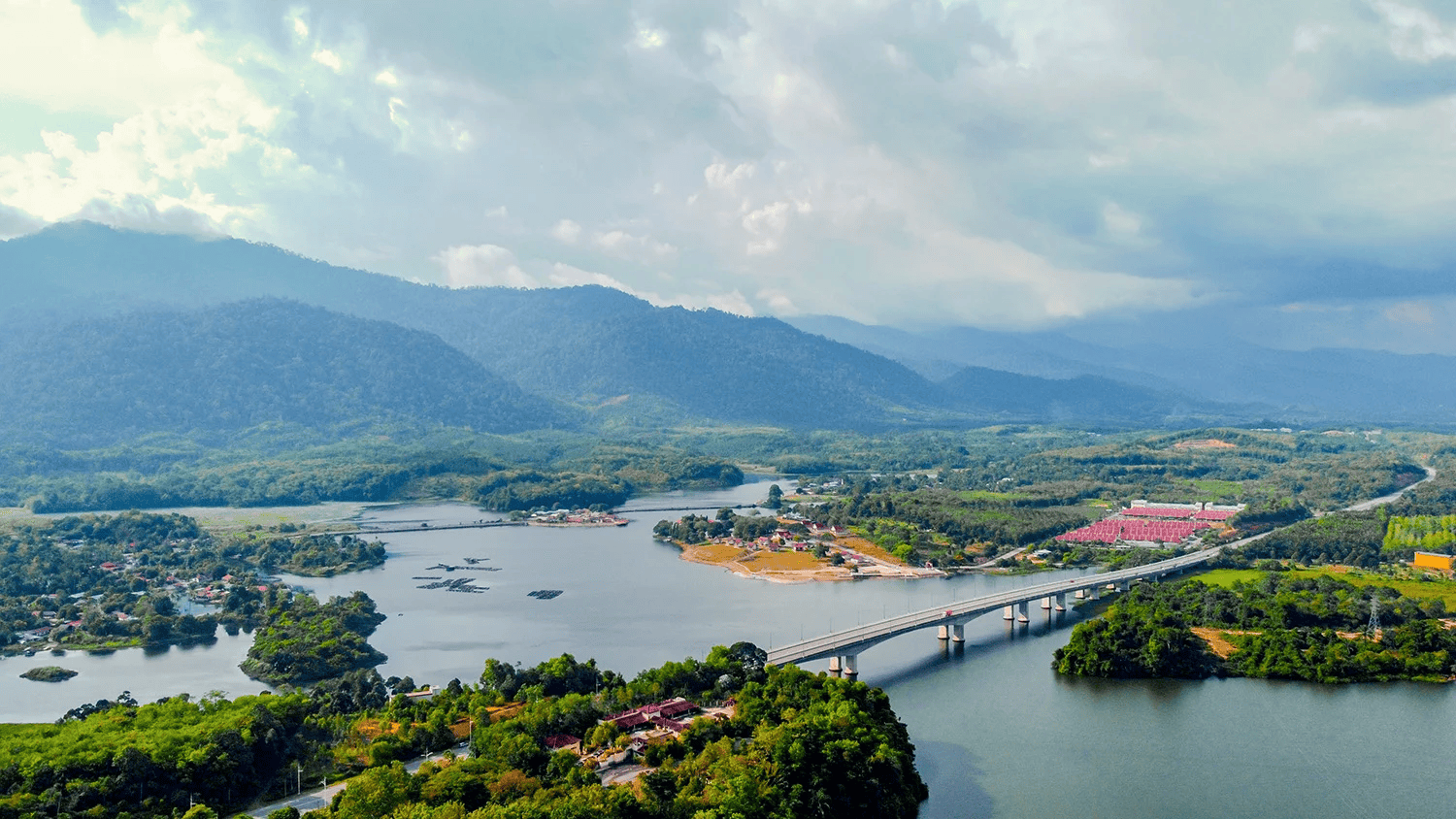
Visitors can also enjoy scenic drives across the Raja Muda Nazrin Bridge, which offers panoramic views of the lush valley and surrounding limestone hills.
A UNESCO World Heritage Site
Lenggong Valley was inscribed as Malaysia’s fourth UNESCO World Heritage Site in recognition of its Outstanding Universal Value as one of the world’s most important archaeological landscapes.
The valley contains numerous prehistoric sites, including open-air workshops, caves, habitation areas and burial grounds that document nearly two million years of human history.
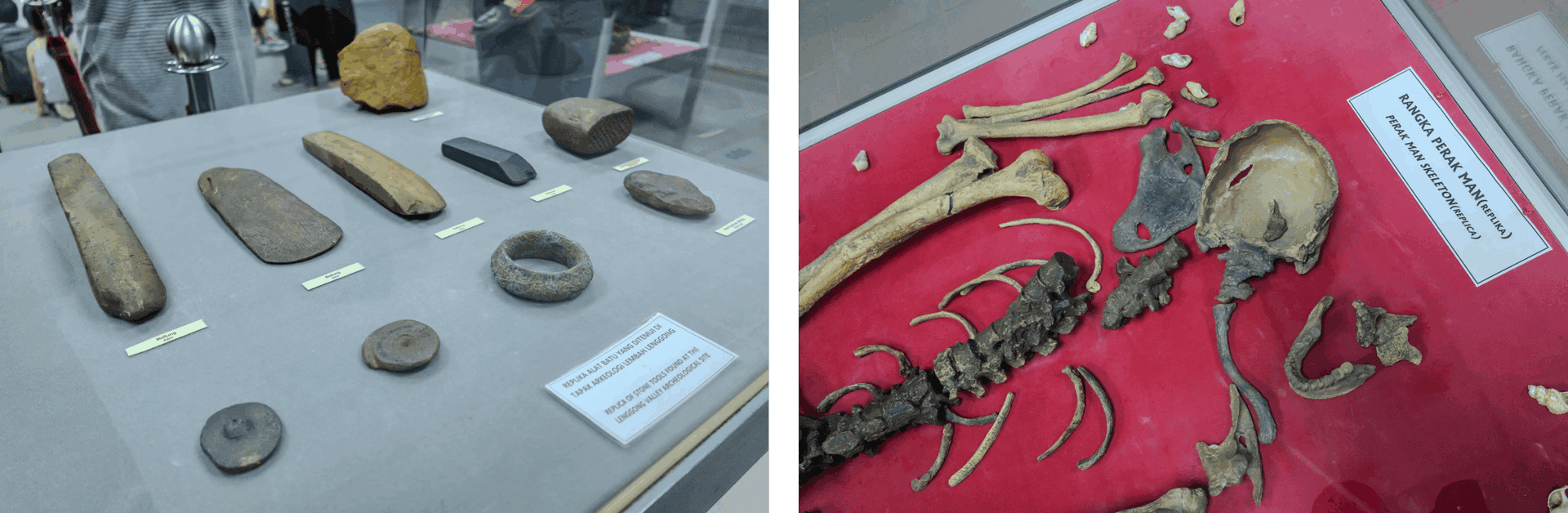
Among its most remarkable discoveries is the skeleton of the Perak Man, unearthed in Gua Gunung Runtuh. Estimated to be around 11,000 years old, Perak Man is the oldest and most complete human skeleton ever discovered in Southeast Asia.
Archaeologists found the skeleton buried in a fetal position alongside stone tools and food offerings, suggesting that he held an important status within his community. The discovery has provided valuable insights into prehistoric beliefs, diet, technology, health and burial customs during the Palaeolithic period.
Visit the Lenggong Archaeological Gallery
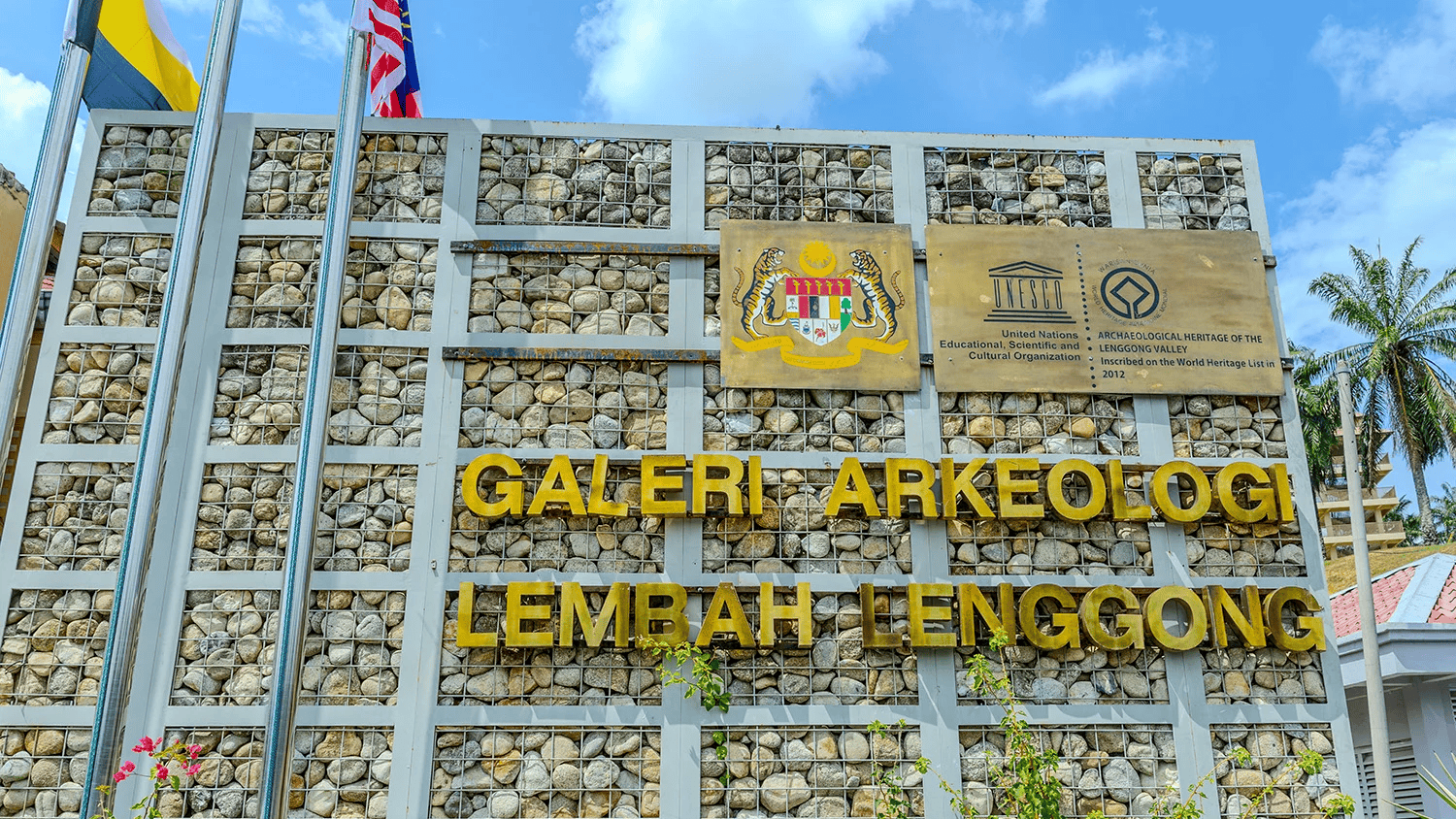
A visit to the Lenggong Archaeological Gallery offers the perfect introduction to the valley’s rich prehistoric heritage.
Located in Kampung Kota Tampan, the gallery presents an impressive collection of archaeological artefacts discovered throughout the valley. Interactive exhibits showcase stone tools used by early humans, replicas of excavation sites, informative displays on prehistoric lifestyles and detailed explanations of Malaysia’s archaeological history.
The gallery also features exhibits related to the Perak Man, allowing visitors to better understand one of Southeast Asia’s most important archaeological discoveries.
Explore Ancient Caves
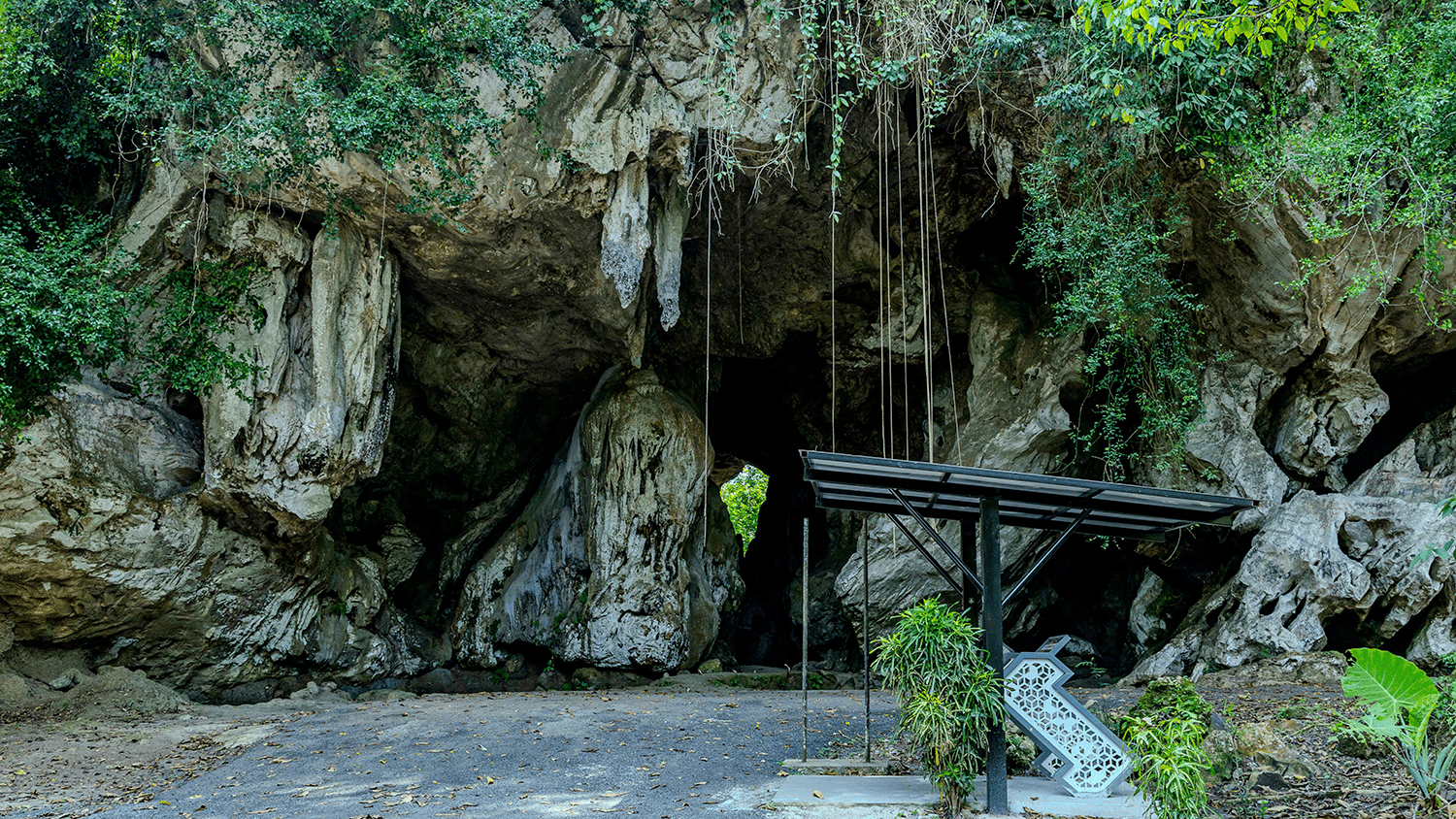
Lenggong Valley is home to numerous limestone caves that once served as shelters, workshops and burial sites for prehistoric communities.

One of the highlights is Gua Kajang, located at the foot of Kepala Gajah Limestone Hill. Accessible with a permit, the cave features a 35-metre passage leading visitors through an impressive natural chamber illuminated by sunlight streaming through its entrances.
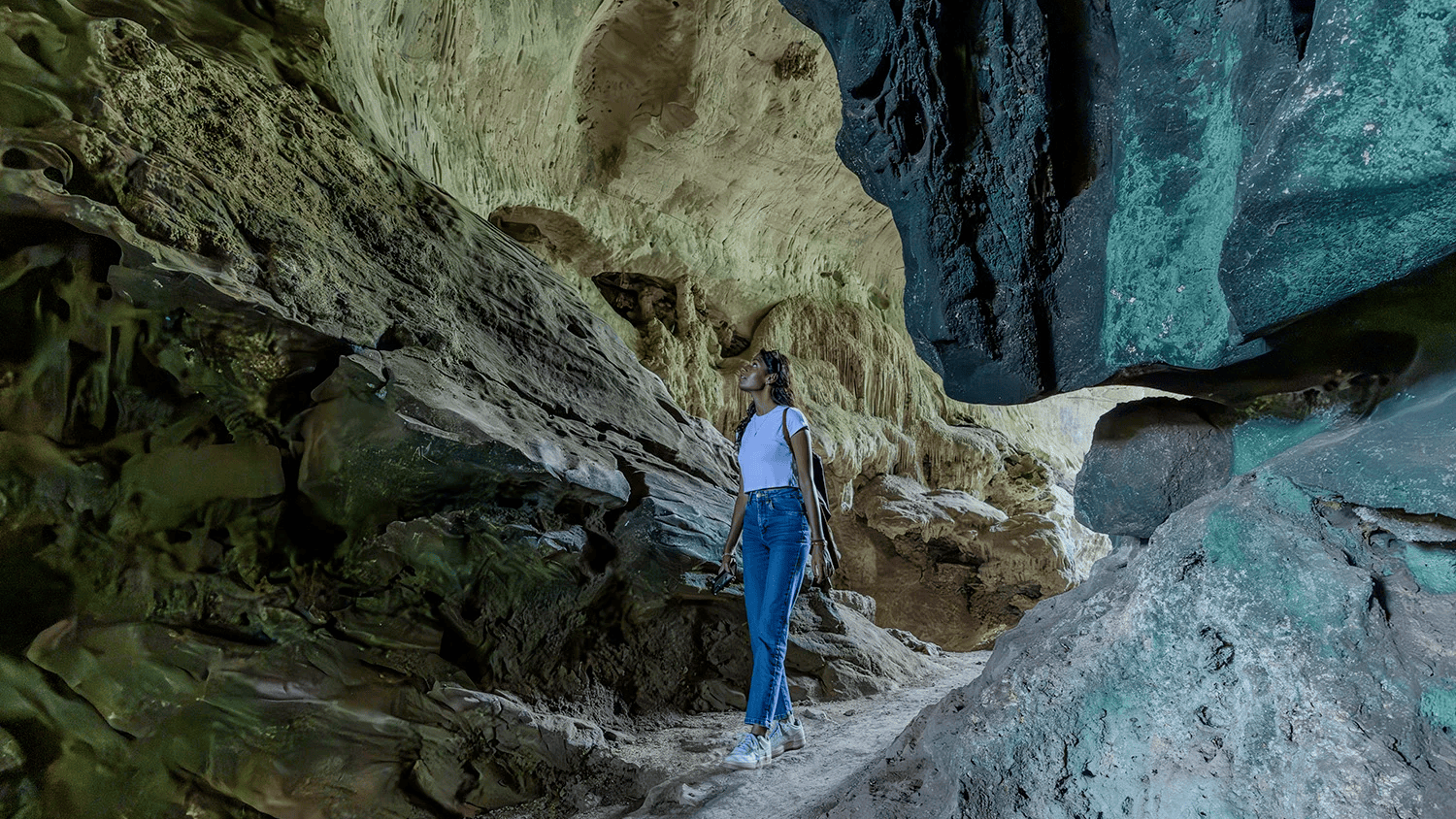
Archaeological excavations at Gua Kajang uncovered evidence of human occupation spanning the Palaeolithic, Epi-Palaeolithic and Neolithic periods, dating between approximately 14,000 and 2,000 years ago. Burial sites, stone artefacts and other discoveries reveal the long relationship between prehistoric communities and the surrounding natural environment.
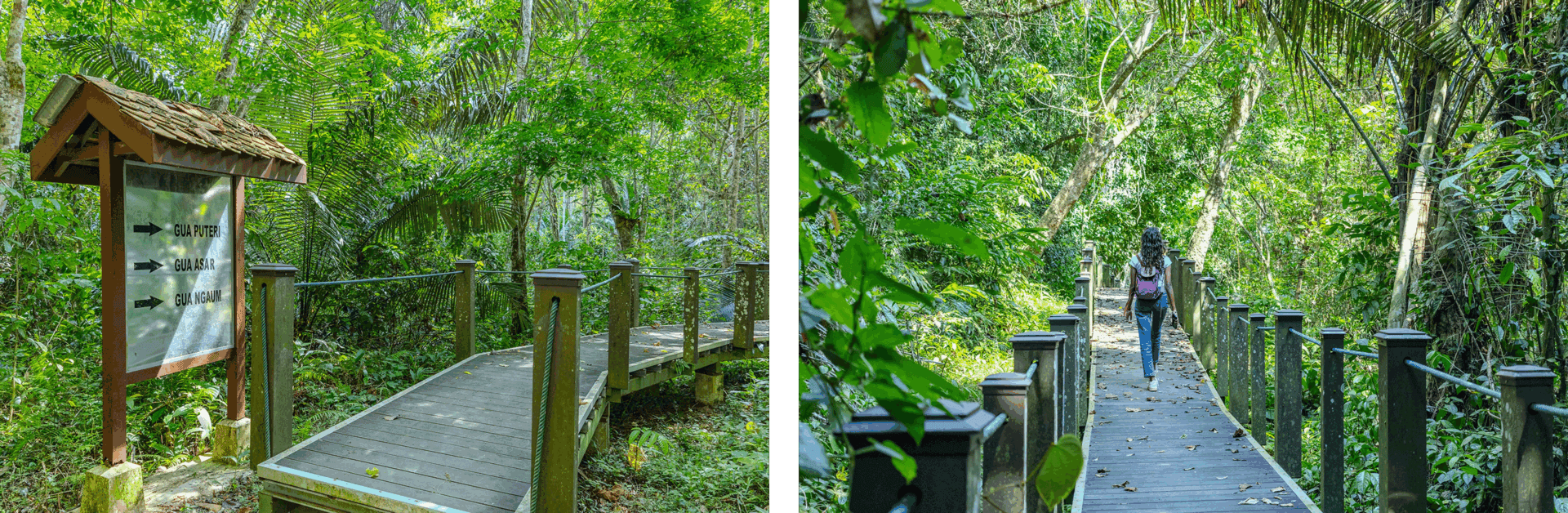
Visitors may also spot bats resting high within the cave before emerging onto a boardwalk surrounded by lush forest scenery.
Experience the Mini Amazon at Kampung Beng
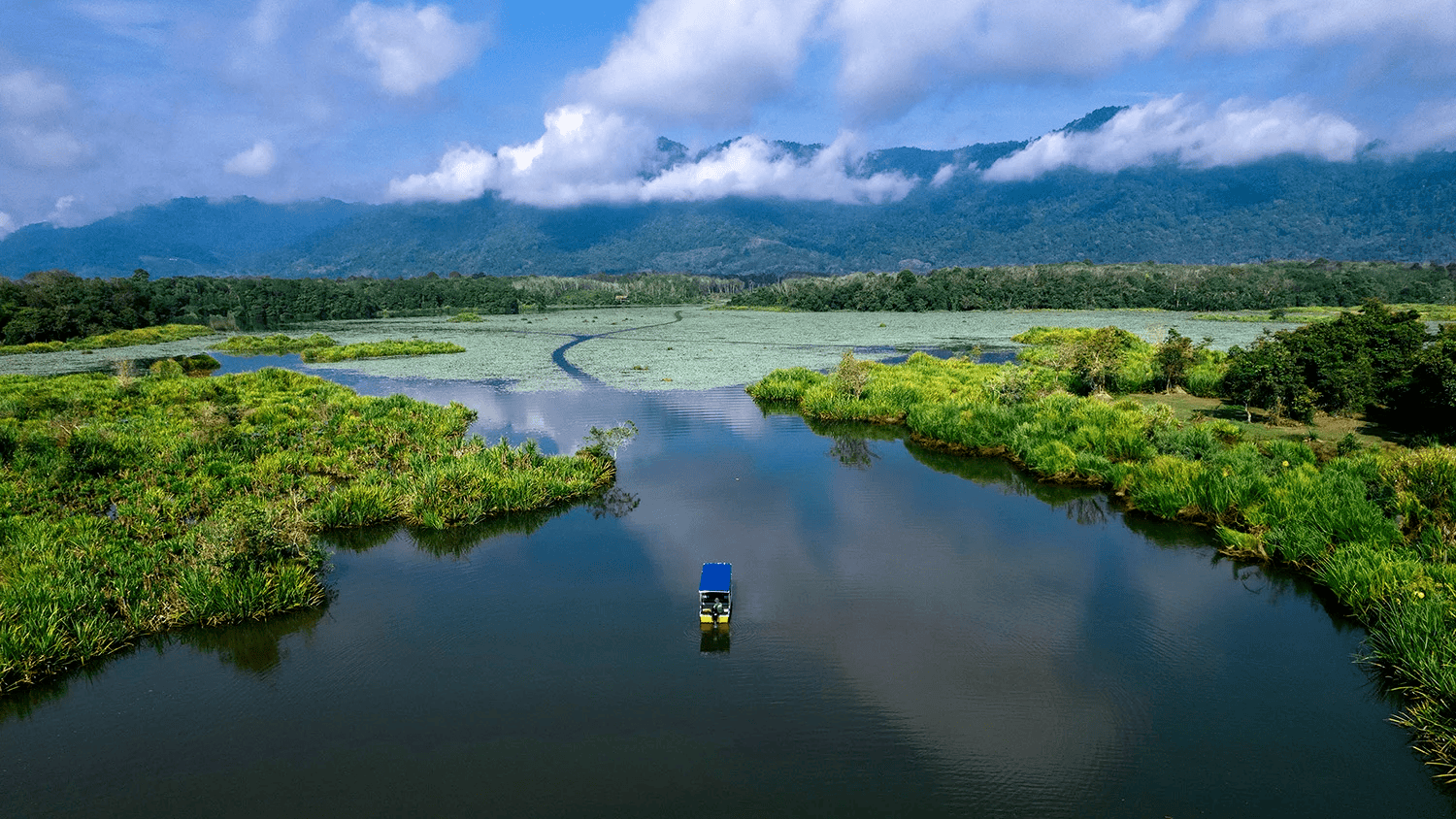
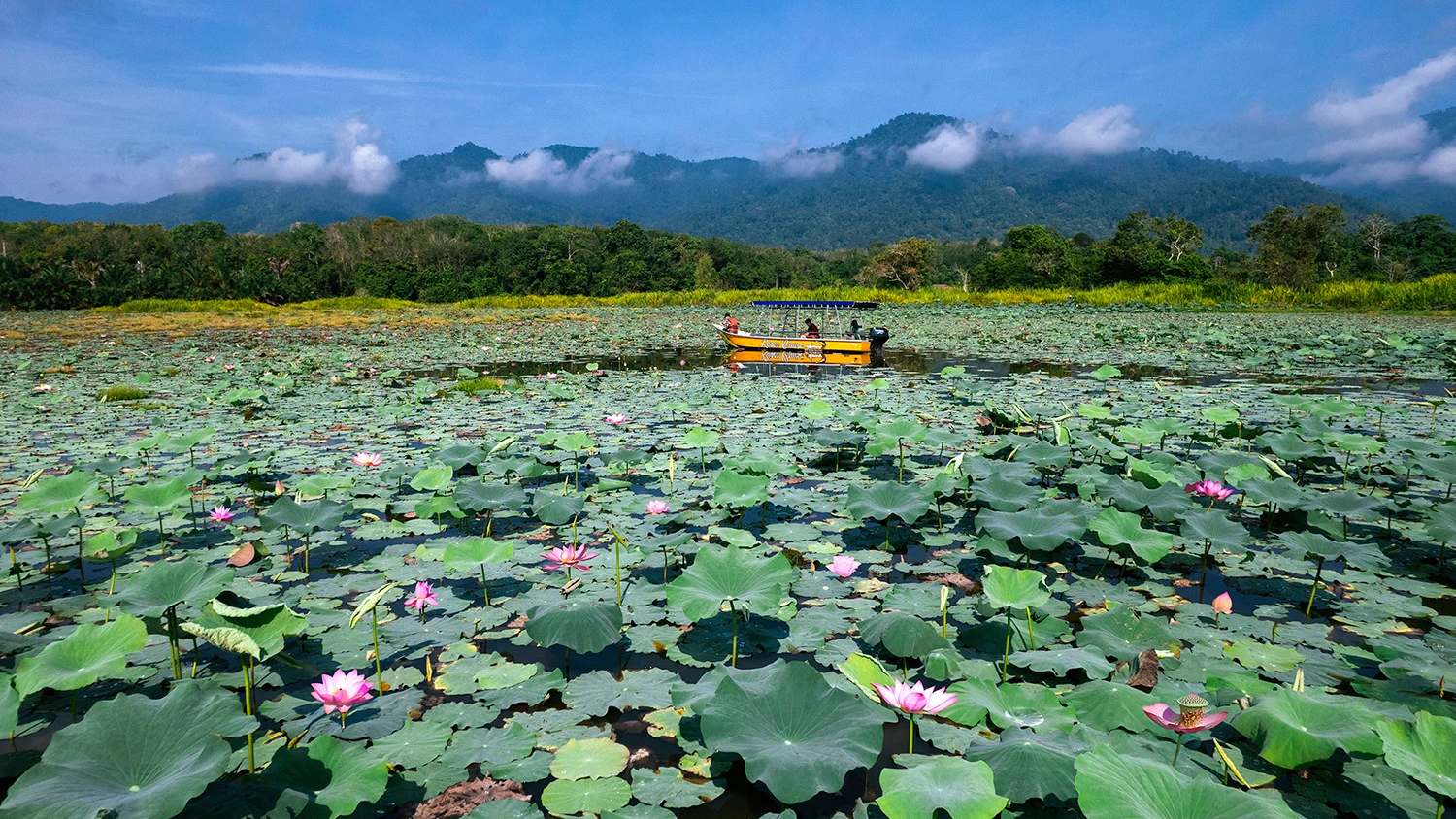
Nature lovers should also make time to visit Kampung Beng, often referred to as Lenggong’s “Mini Amazon”.
The peaceful village is renowned for its tranquil waterways, excellent fishing spots and picturesque lakeside scenery. One of the best times to visit is during sunset, when the calm waters reflect the changing colours of the sky, creating an idyllic setting for relaxation and photography.
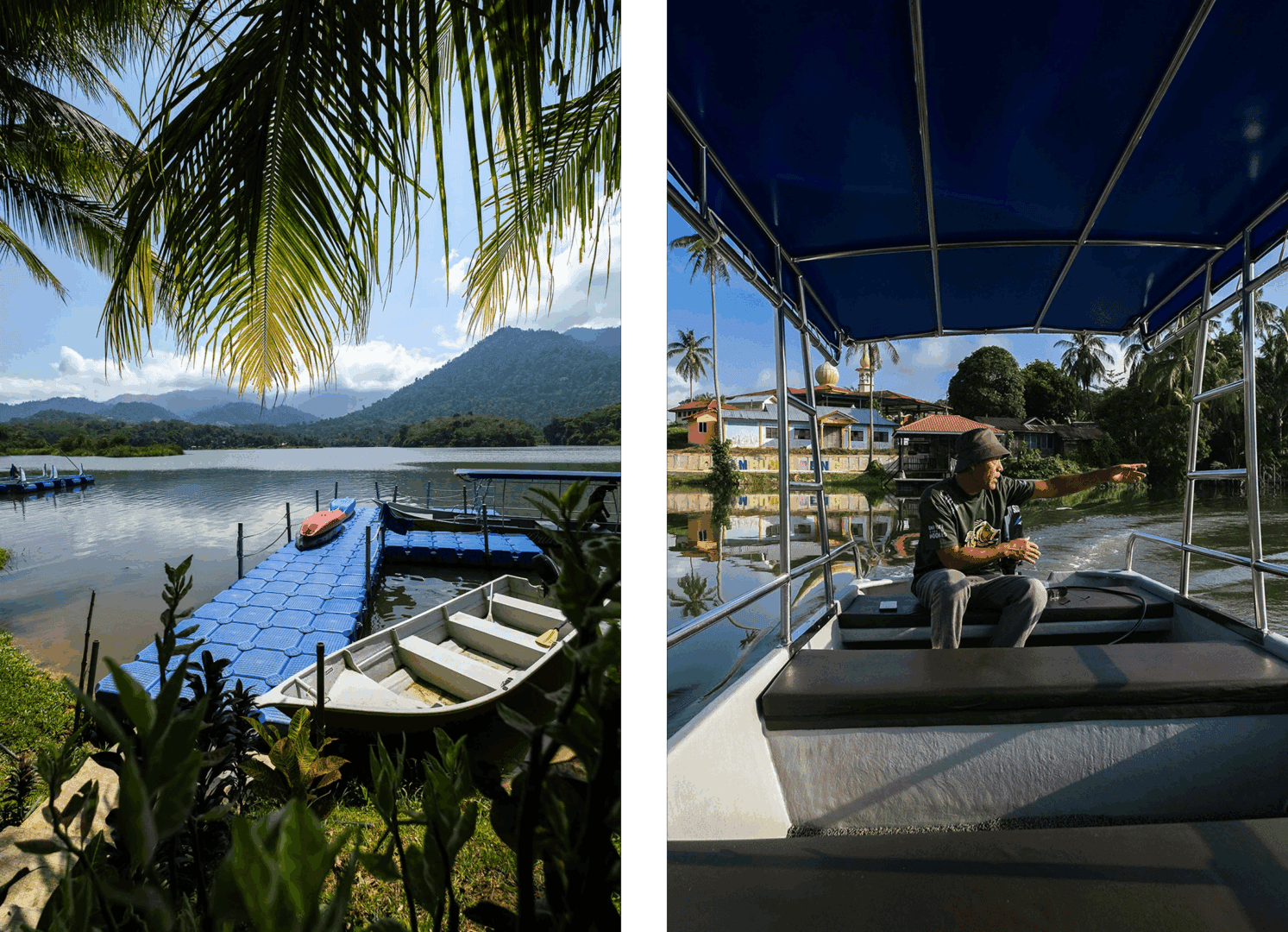
The village provides a refreshing contrast to the valley’s archaeological attractions while showcasing the area’s natural beauty.
Stay in a Traditional Perak Malay House

For a unique accommodation experience, consider staying at Rumah Tiang 16, a beautifully restored traditional Perak Malay wooden house.
Originally built in 1974, the heritage home retains its sixteen original pillars crafted from durable chengal and meranti timber while incorporating modern comforts. The thoughtfully preserved interiors feature antique furnishings, traditional d茅cor and nostalgic touches that celebrate local heritage.
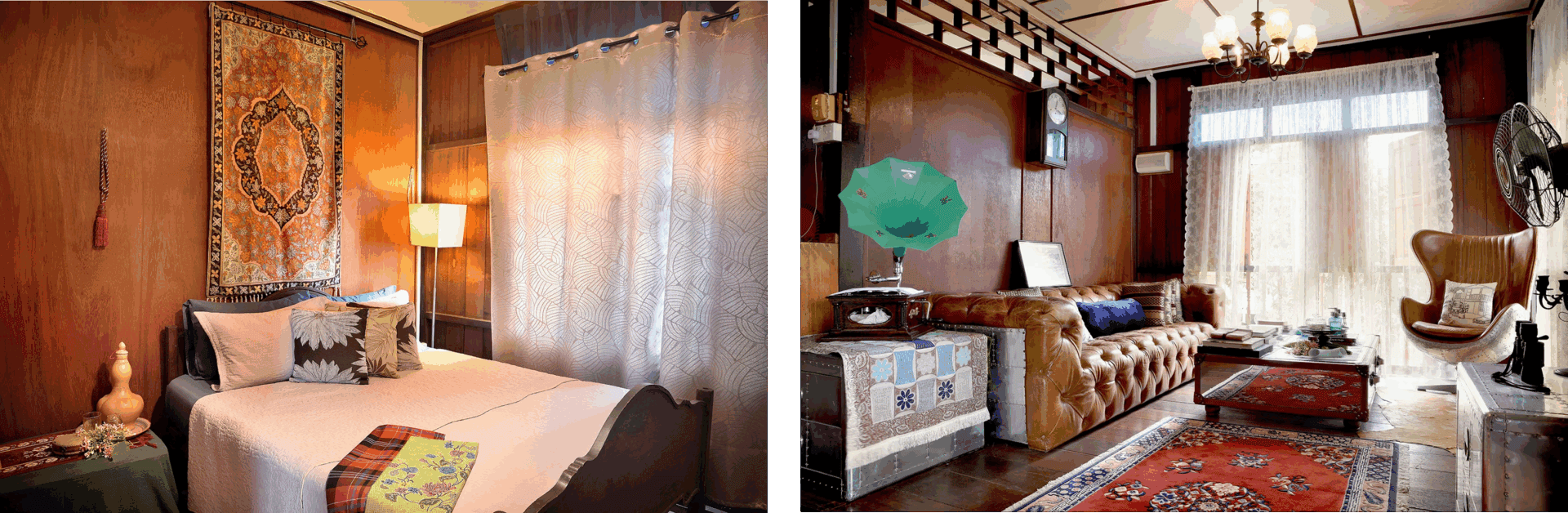
Guests can also experience authentic Malaysian traditions through features such as kapok mattresses and the iconic Labu Sayong water vessel, offering an immersive glimpse into village life of the past.
Getting to Lenggong Valley
Driving remains the most convenient way to explore Lenggong Valley, allowing visitors the flexibility to visit archaeological sites, caves and nearby attractions at their own pace.
Alternatively, public buses operate between Kuala Kangsar and Lenggong, providing an accessible option for travellers without private transport.
Whether you are passionate about archaeology, fascinated by ancient civilisations or simply seeking an off-the-beaten-path destination, Lenggong Valley offers an extraordinary opportunity to explore one of Asia’s most significant prehistoric landscapes. From the story of Perak Man to centuries-old caves and peaceful natural scenery, every corner of the valley tells a remarkable chapter in Malaysia’s ancient past.
Source: Malaysia Tourism